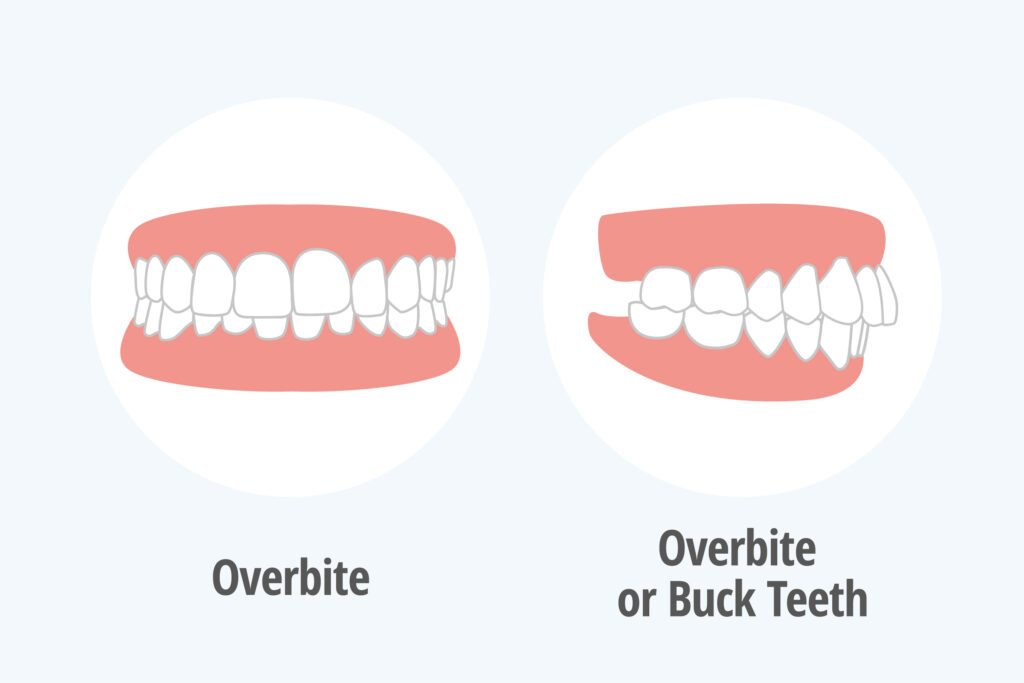
What Are Overbite and Underbite?
Many people have bite problems, such as overbite and underbite. These issues happen when your upper and lower teeth do not line up as they should. An overbite means your upper front teeth cover your lower front teeth too much. On the other hand, an underbite is when your lower front teeth sit in front of your upper front teeth. Because these bite problems can affect your smile and health, it is important to understand them. Overbite and underbite can also make chewing and speaking harder.
Common Symptoms
Often, bite problems show clear signs. However, some symptoms may be mild at first. Watch for these signs:
Because these symptoms can get worse over time, early attention is helpful.
Causes of Bite Problems
There are many reasons why overbite and underbite develop. Sometimes, these problems run in families. Other times, habits or health issues play a role. Common causes include:
Because some causes are preventable, early dental care is important.
Diagnosis Methods
First, a dentist or orthodontist will check your teeth and jaw. They may ask about your symptoms and family history. Next, they will look at how your teeth fit together. Often, they use X-rays or digital scans to see your bite clearly. Sometimes, they take photos or make molds of your teeth. With these tools, your dentist can spot overbite symptoms or underbite problems. Early diagnosis helps you get the right treatment.
Treatment Options
There are many ways to fix overbite and underbite. The best treatment depends on your age and how severe the bite problem is. Common treatment options include:
Because each person is different, your dentist for bite correction will suggest the best plan for you. According to the American Association of Orthodontists, early treatment can prevent bigger problems later.
Prevention and Lifestyle Tips
While some bite problems are genetic, you can lower your risk with good habits. Here are some tips:
Because prevention is easier than treatment, these steps can help you avoid bite problems.
When to See a Dentist
If you notice any signs of overbite or underbite, it is wise to see a dentist near you. Early visits can catch problems before they get worse. You should see a dentist if:
Because a dentist can spot issues early, regular check-ups are important. The CDC also recommends dental visits for children by their first birthday.
Conclusion
Overbite and underbite are common bite problems that can affect chewing, speech, and overall oral health. Identifying these concerns early helps in choosing the right orthodontic treatment approach. With proper dental guidance, bite alignment can be improved for better function and a confident smile.
Achieve a healthier, well-aligned smile with personalised orthodontic care at Smile Way Dental Clinic. Book your consultation today.