What Is a Dental Crown?
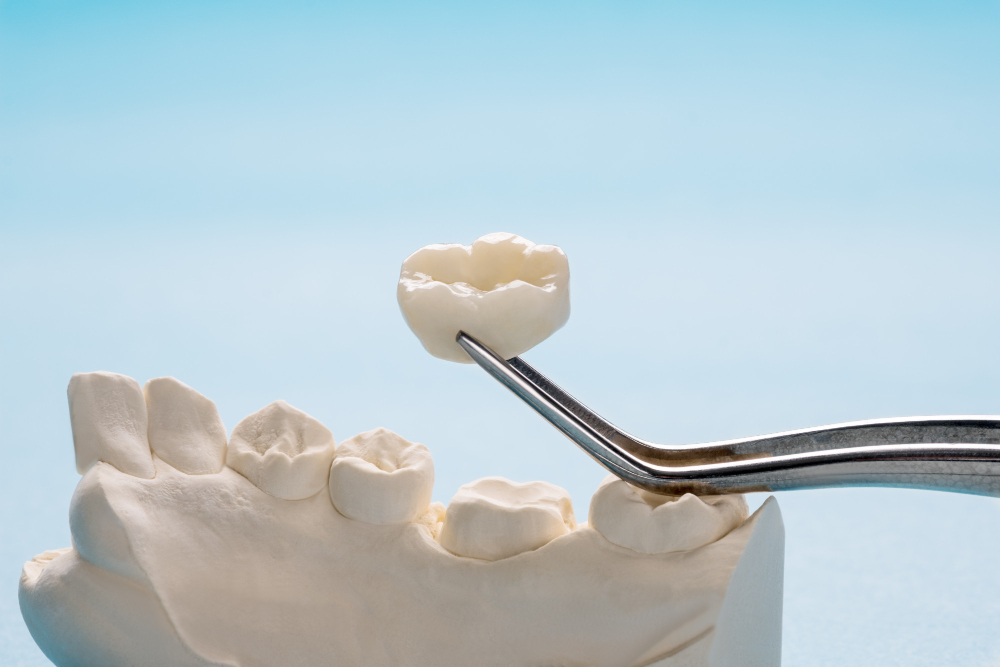
A dental crown is a cap that covers a damaged or weak tooth. It helps restore the tooth’s shape, size, and strength. Often, dentists use dental crowns to protect teeth after injury or decay. In many cases, a crown can also improve the look of your smile. Dental crowns are made from materials like porcelain, metal, or ceramic. Each type has its own benefits. Your dentist will help you choose the best one for your needs.
When Do You Need a Dental Crown?
Sometimes, a tooth becomes too weak for a simple filling. In these cases, a dental crown may be needed. For example, if you have a large cavity, a crown can help save your tooth. Also, after a root canal, a crown often protects the tooth from breaking. If your tooth is cracked or worn down, a crown can restore its function. Dentists may also use crowns to hold a dental bridge in place or cover a dental implant. Therefore, dental crowns are a key part of many tooth restoration treatments.
Common Reasons for Getting a Dental Crown
There are several reasons why your dentist might suggest a crown. Some of the most common include:
As you can see, dental crowns serve many purposes in dental care. They help keep your teeth strong and healthy.
How Is a Dental Crown Procedure Done?
The dental crown procedure usually takes two visits. First, your dentist will examine your tooth and take X-rays. Next, they will shape the tooth and remove any decay. Then, they make a mold of your tooth. This mold helps create a crown that fits perfectly. While you wait for your permanent crown, you may get a temporary one. At your second visit, the dentist will place the new crown and check the fit. If everything feels right, the crown is cemented in place. After the procedure, you can use your tooth as normal.
Benefits and Risks of Dental Crowns
Dental crowns offer many benefits. For example, they protect weak teeth and restore chewing ability. Crowns can also improve the look of your smile. However, there are some risks to consider. Sometimes, a crown may become loose or fall off. In rare cases, you might feel sensitivity or discomfort. But with good care, most crowns last many years. According to the American Dental Association, crowns are a safe and effective way to restore teeth.
Caring for Your Dental Crown
Proper care helps your dental crown last longer. Here are some tips:
With these habits, you can keep your crown and natural teeth healthy.
Prevention Tips to Avoid Needing a Crown
While dental crowns are helpful, it is best to prevent tooth damage in the first place. To lower your risk, try these tips:
By following these steps, you can help protect your teeth and avoid the need for a crown.
Conclusion
Dental crowns play an important role in tooth restoration and dental care. They help protect, restore, and improve your teeth. If you think you might need a crown, consult dentist at Smile Way Dental Clinic to find out if a dental crown is right for you.