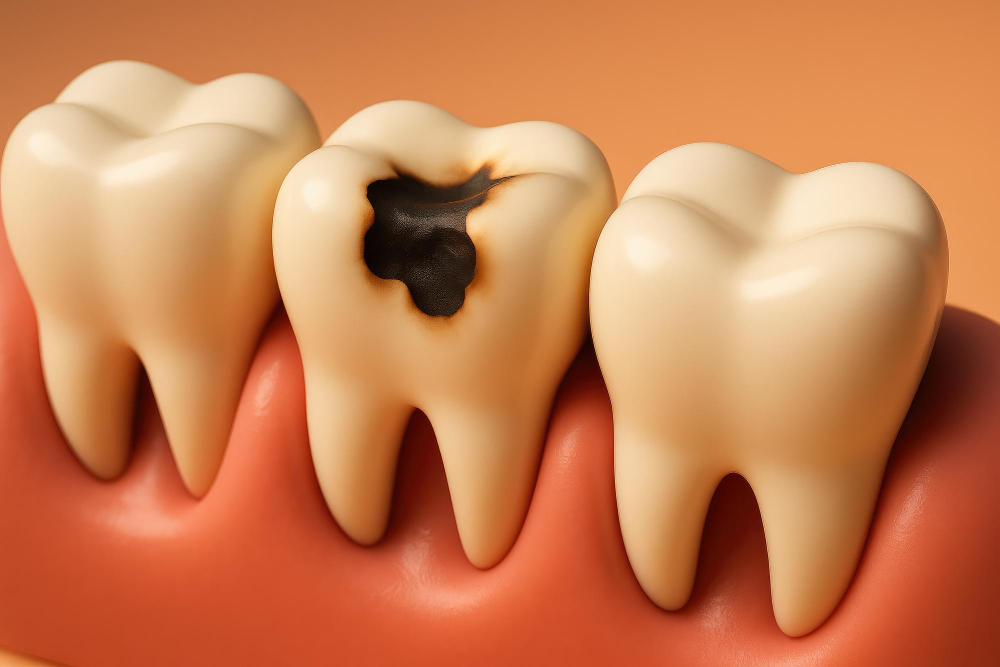
What Are Dental Caries (Cavities)?
Dental caries, also known as cavities, are holes or damaged areas in your teeth. They happen when the hard surface of your tooth breaks down. This is often due to bacteria, sugar, and poor oral hygiene. Cavities are one of the most common dental problems worldwide. In fact, the World Health Organization (WHO) reports that nearly everyone will have dental caries at some point. Because cavities can lead to pain and tooth loss, it is important to understand how to prevent and treat them.
Causes of Dental Caries
Many factors can cause dental caries. However, the main reason is the buildup of plaque. Plaque is a sticky film of bacteria on your teeth. When you eat foods high in sugar or starch, bacteria in plaque turn these into acids. Over time, these acids can damage your tooth enamel and cause cavities.
For example, children and older adults are more at risk because their teeth may be harder to clean. Also, some health conditions can increase your risk.
Symptoms of Dental Caries
At first, dental caries may not cause any symptoms. But as the cavity grows, you may notice signs such as:
Because early cavities may not hurt, regular dental check-ups are important.
How Dental Caries Are Diagnosed
Dentists can spot dental caries during a routine exam. Usually, they look for soft spots or holes in your teeth. Sometimes, they use a small mirror and dental tools to check all surfaces. In addition, dental X-rays can show cavities that are not visible to the eye. Early diagnosis helps prevent bigger problems later.
Treatment Options for Dental Caries
Treatment depends on how severe the cavity is. Early-stage dental caries may be reversed with fluoride treatments. However, once a hole forms, the dentist will need to repair it. Common treatments include:
For best results, follow your dentist’s advice and attend regular check-ups.
Prevention Tips for Dental Caries
Preventing dental caries is easier than treating them. Here are some simple tips to help you avoid cavities:
Because prevention is key, these habits can help protect your teeth for life.
Lifestyle and Oral Hygiene Guidance
Good oral hygiene and healthy habits make a big difference. For example, eat a balanced diet rich in fruits and vegetables. Chew sugar-free gum to boost saliva flow. Avoid tobacco and limit alcohol, as these can harm your teeth. Teach children to brush and floss early. In addition, replace your toothbrush every three months or sooner if the bristles are worn.
Conclusion
Dental caries (cavities) are common but preventable. With good oral care and regular dental visits, you can keep your teeth healthy. If you notice any signs of cavities, do not wait. Consult a dentist at Smile Way Dental Clinic for personalized advice on preventing and treating dental caries.